Express CPR training has actually grown out of a really genuine need: many individuals want useful skills, however do not have a cost-free day to sit in a classroom. As a teacher, I have satisfied parents, tradies, child care instructors, personal fitness instructors, and managers that walk in the door claiming approximately the same thing: "I understand I need to have this, however I just have a couple of hours. Please make it count."
An excellent fast first aid course or express CPR course does precisely that. It strips away fluff, focuses on high influence abilities, and offers you adequate repeating that your hands remember what to do when your mind is under pressure.
This overview goes through what to expect from express CPR training, detailed, so you can get here ready and take advantage of every minute.
What "express" really means in CPR and first aid training
The word "express" scares some people. They imagine a rushed slide show, a fast test, and a certificate that is not worth the paper. That does exist in some edges of the market, but an expertly run express cpr training session is different.
Express CPR, express first aid, and express child care first aid formats are constructed around 3 ideas:
You find out ideal by doing, not listening. A focused 2 to 4 hour block can be extra effective than a sidetracked eight hour day. Pre course online theory allows the in‑person time concentrate on skills.An express cpr course is typically a part of a wider first aid training pathway. Many organisations currently provide blended first aid and cpr courses: theory online, skills face to face. For people that currently hold a full first aid certificate and merely require a fast cpr correspondence course, the in‑person part can be even shorter, in some cases around 90 minutes, with stringent time management.
The key is not how long you being in a chair. The secret is how effectively you can check for threat, examine a fallen down individual, start compressions, and use an AED without freezing.
Before the day: enrolment, prerequisites, and on-line theory
Booking an express cpr course or express first aid course typically begins online. Many reputable providers will certainly ask you a couple of fast concerns throughout enrolment:
- Are you restoring an existing first aid certificate or beginning fresh? Do you require child care particular abilities, such as express child care first aid training? Are there workplace needs, as an example, a certain code or degree of first aid and cpr training classes?
For fast certification, many suppliers provide a "fast first aid course near me" search on their site that links you to locations and times. My recommendations, from years of enjoying people scramble in the nick of time, is straightforward: do not leave it to the week your certificate ends, specifically if your job depends upon present first aid and cpr.
Most express first aid courses include online learning that have to be finished before you stroll right into class. This is where you will normally cover:
- Basic anatomy and physiology relevant to CPR. Chain of survival and why very early compressions matter. Legal and moral issues - duty of care, consent, documentation. Recognition of heart attack, stroke, and typical clinical emergencies.
The online component differs from thirty minutes to a few hours, depending upon whether it is cpr only or full first aid training. Some systems allow you stop and start, which is valuable if you are fitting research study around changes or childcare.
Here is the vital suggestion: deal with the online component as component of the course, not a tick box. Individuals that skim every inquiry, or have a companion click with for them, are usually the very same ones that ice up when a manikin is put in front of them.
What to bring and just how to prepare
You do not require much for express cpr training, yet a little preparation first aid certificate Brisbane will certainly make the session smoother.
Here is an easy pre‑course list:
- Comfortable clothing that lets you kneel on the flooring and lean forward for numerous minutes at a time. A charged phone, primarily so you can access your enrolment email or electronic workbook if required. Any needed ID or trainee number specified by the training provider. Reading glasses if you use them, as you might require to check out AED prompts or paperwork. A container of water and, if the session is much longer, a light snack for breaks.
Wear functional shoes, low heels or heavy job boots if you can avoid it. You will likely spend time kneeling on floor coverings, walking around manikins, and exchanging roles with companions. In childcare first aid courses, in particular, you may move between grown-up and infant manikins quickly.
If you have knee troubles, back issues, or are pregnant, tell the teacher at the start. Good trainers readjust circumstances so you can participate securely, and there are always ways to demonstrate competency without wounding yourself.
The first 15 minutes: alignment and expectations
Once every person has actually signed in, the trainer will typically begin with a quick alignment. This part sets the tone. In a fast first aid training format, the fitness instructor needs to balance heat with performance. You can expect three points:
First, safety and security and hygiene. You will hear about manikin cleansing, use of face guards or non reusable masks during rescue breaths, where the first aid package and AED lie in the location, and exactly how to move safely in the space. In the post‑COVID age, lots of service providers are more stringent concerning solitary usage mouthpieces and wiping down surfaces.
Second, ground rules. Do not be amazed if the instructor claims something blunt like, "We get on a limited timetable. I want lots of inquiries, but I will park anything that takes us too away track." A professional express cpr course is not a casual drop‑in; it is an organized pathway to a nationally identified first aid certificate or CPR card.
Third, expectations of capability. The fitness instructor will detail specifically what you have to show: compressions at the right depth and price, appropriate hand placement, secure AED usage, and clear communication with spectators or emergency services. This is where the express format reveals its strength. Every person in the room understands the target results from the start.
Step by step: the core CPR series you will practise
Although various countries and regulators modify wording, the practical series educated in express cpr training is rather consistent. During class, you will not simply watch this as soon as. You will certainly run through it numerous times, on grown-up and often youngster or baby manikins, up until the rhythm starts to really feel natural.
Here is a compressed detailed version of what you can anticipate to practice:
Check for threat and responsiveness, and send for help
You learn to scan for threats, touch the person, call out to them, and rapidly get a bystander to call the emergency number (such as 000 or 911) and fetch an AED if available. 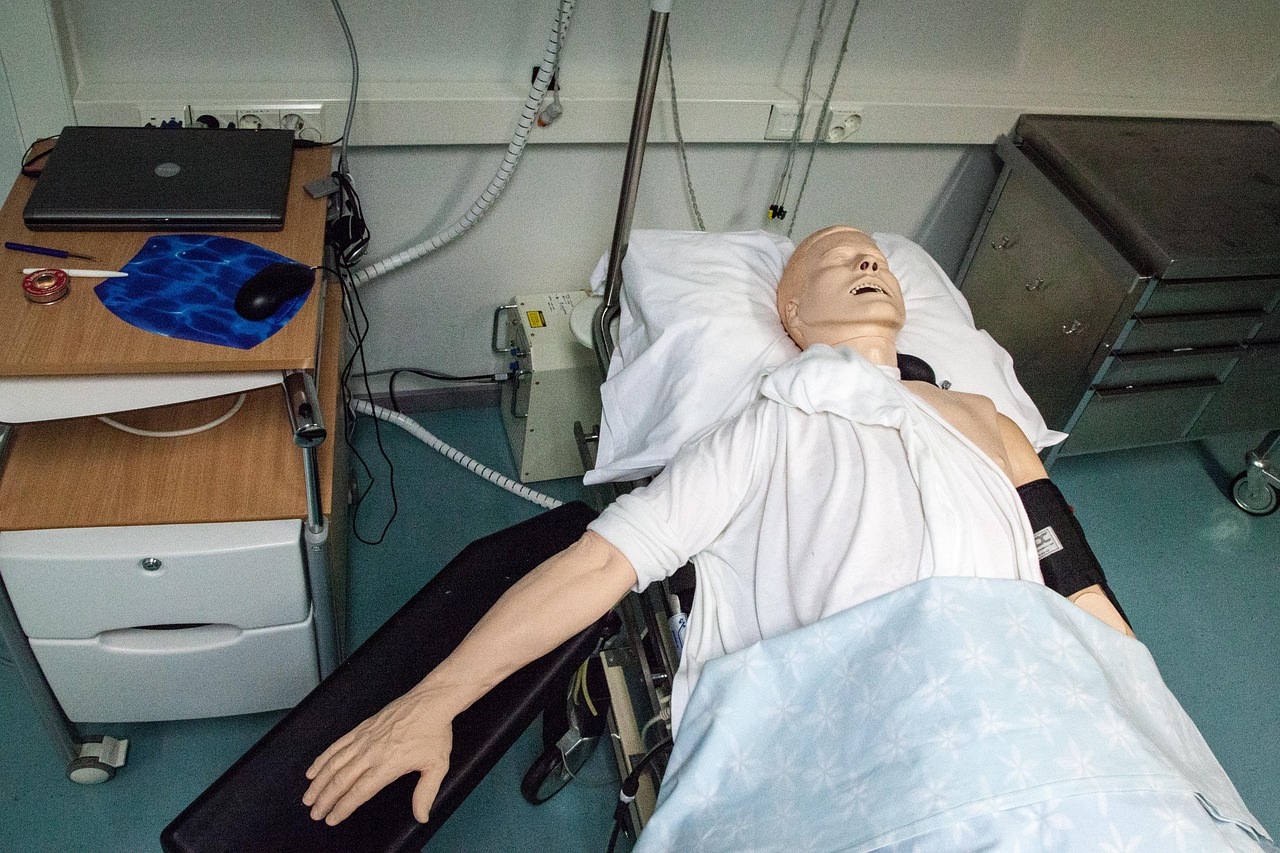
Open the respiratory tract and check breathing
You practise placing the head, trying to find breast motion, listening and feeling for regular breathing, and acknowledging agonal gasps that are ineffective breaths.Start upper body compressions
You position your hands in the centre of the chest, lock your elbows, and compress set at the suggested price, allowing the upper body surge fully in between compressions.Add rescue breaths if educated and willing
Depending on your neighborhood standards and the course you are enrolled in, you might practice 30 compressions complied with by 2 breaths using an obstacle device, or hands‑only CPR.Use an AED as soon as it arrives
You learn to transform it on, adhere to the voice triggers, attach pads in the right placements, stand clear for evaluation and shocks, and instantly resume compressions when instructed.Those five actions are the foundation of most fast cpr courses. In a full first aid and cpr course, you will install that series right into broader situations that include choking, drowning, and trauma.
In express child care first aid courses, you cover the exact same framework but with vital modifications for babies and kids, such as two fingers instead of 2 hands on the upper body, gentler breaths, and various AED pad placement.
How skills are shown in an express format
People often picture that reducing a course from a complete day to a half day suggests reducing corners. What actually alters is the way the content is delivered.

From an instructor's perspective, here is what shifts in fast first aid courses and express cpr training:
Less lecture, even more drills. As opposed to a 40 min talk on heart physiology, you may have a five min wrap-up of the online module, adhered to immediately by hands‑on practice. Instructors make use of short, concentrated descriptions, then obtain you back on the manikin.
Scenario based discovering. Although time is tight, proficient trainers still construct short situations. For instance, you may be informed, "You have just strolled right into the team room and found a colleague collapsed beside the photocopier." You will after that be asked to run the complete sequence: risk check, telephone call for aid, compressions, AED. The instructor will certainly include a spin or 2, such as a spectator that panics.
High rep, much shorter collections. Rather than twenty minute duty plays, you may revolve with three to 5 minute cycles of compressions, breathing, and AED usage, with short responses after each round. This is optimal for muscle mass memory.
Targeted mentoring. In a team of 10, an excellent trainer can spot mistakes really swiftly: arms bent, compressions also shallow, not letting the breast surge, pads in the wrong location. Fast courses rely upon that train's eye. You obtain instant, details comments, as opposed to generic praise.
Minimal however focused analysis. Formal analysis still takes place; your first aid certificate or CPR card depends on it. The "express" part simply implies the assessor is watching you throughout your practice, not simply during a staged last examination. By the time you get to the end of the session, you have usually demonstrated the called for abilities several times.
What express CPR feels like physically
The greatest surprise for numerous first aid and cpr students is not the complexity of the steps, however the physical effort. A proper fast cpr session does not go easy on your muscles.
After the very first few rounds of compressions, individuals regularly claim something like, "If this were real, I would never ever last enough time." That is not a sign you are unsuited; it is an indicator you are ultimately experiencing what reliable CPR feels like.
Here are some very normal experiences throughout training:
Forearm and shoulder exhaustion. Appropriate compressions need your body weight, not simply your arm toughness, yet your muscles will certainly still tire. Express cpr courses often educate you just how to exchange rescuers efficiently, which is essential in real incidents.
Breathlessness. If you are practicing rescue breaths, specifically in a fast cpr refresher course where the trainer presses your speed, you may feel slightly out of breath. This is why existing standards position such a strong focus on compressions and allow hands‑only CPR for untrained or reluctant rescuers.
Mild knee or back discomfort. Stooping on mats for duplicated situations can aggravate joints or muscle mass, particularly if you have existing concerns. Tell your fitness instructor early; they can offer extra padding, change your position, or have you demonstrate on a table elevation manikin.
A great teacher watches on your form and your comfort. The goal is not to exhaust you, but to give you a sensible feeling of the initiative called for so you are not shocked by it in a real emergency.
How express courses deal with various age groups and contexts
Not all fast first aid courses look the exact same. The Joondalup first aid course framework and emphasis depend heavily on that is in the space and what they need the certificate for.
In basic adult concentrated CPR training, the scenarios typically centre on abrupt cardiac arrest due to heart problem, work environment crashes, or sports occurrences. You work primarily with adult manikins, probably with a quick demo of youngster technique.
Express child care first aid courses are various. Regulations in lots of regions call for instructors to discover particular paediatric first aid skills. That implies even more time on:
- Infant and child CPR, consisting of proper depths, ratios, and pad placement. Management of respiratory tract obstruction in children, consisting of back strikes and upper body thrusts. Asthma and anaphylaxis management, consisting of inhalers and adrenaline auto‑injectors.
In these fast first aid courses, you still move at a brisk pace, yet the instances and language are tailored to early youth environments. Fitness instructors commonly make use of scenarios based upon playground events, nap time checks, or food associated allergies, since that is where teachers are more than likely to use their skills.
Workplace concentrated first aid and cpr courses might emphasise different risks, such as electrical events on building and construction sites, chemical exposures in labs, or remote places for area team. Also in an express style, there is generally a minimum of 15 to 30 minutes set aside to chat with your very own workplace threats so you can psychologically practice most likely incidents.
Assessment, certification, and what "experienced" really means
At completion of the session, you will face some sort of evaluation. In blended or fast first https://privatebin.net/?c7af42b5a068dfbc#UfBGpZqXyu5UsnUtNjpFokdNAJM3Ac19QtqpmYLGuYF aid course designs, some parts are already marked off via on the internet tests. The one-on-one part focuses on what can not be analyzed on a display: your hands, your timing, your judgment under mild pressure.
Common analysis components in express cpr training include:
Observation during circumstances. The fitness instructor will certainly watch you go through the full CPR series and tick criteria as you work. Did you look for dangers? Did you recognise unresponsiveness? Did you start compressions rapidly? Did you make use of the AED safely?
Compression top quality checks. Numerous manikins now have digital comments systems that reveal whether you are hitting the appropriate deepness and rate. In an express cpr course, fitness instructors count greatly on these devices to give you objective responses quickly.
Questioning and explanation. At intervals, the trainer might ask targeted concerns, such as, "What would certainly you do if the AED suggested no shock?" or "Just how would your technique change for a child?" These inquiries are often integrated right into circumstances rather than supplied as an official dental exam.
Once you show the called for abilities, the supplier issues your first aid certificate or CPR card. Some organisations email a digital certificate the same day. Others call for a short processing duration. If time is tight for work or regulative factors, inquire about turnaround times prior to you enrol.
Competent in this context does not mean perfect. It means secure, reliable, and aligned with current standards. In the area, no one is counting your exact compression price with a stop-watch. They are happy you are doing something more than standing back and hoping.
How express CPR suits more comprehensive first aid training
Express CPR is just one piece of the first aid problem. Lots of pupils make use of an express cpr training session to maintain the CPR component of a full first aid certificate completed previously. Others begin with a brief course for self-confidence, after that return later for more substantial first aid and cpr courses.
Full first aid training, sometimes called a thorough or FAP first aid plan relying on the region, typically includes:
Recognition and administration of blood loss, cracks, and soft cells injuries.
Burns and scalds, consisting of cooling strategies and dressing application. Sudden health problems such as seizures, diabetic emergency situations, stroke, and asthma. Bites, stings, and environmental injuries relevant to neighborhood conditions. Continuous surveillance, handover to paramedics, and reporting requirements.Fast first aid courses press this right into a tighter routine by leaning greatly on pre‑course reading and by integrating topics. As an example, you might cover seizures, head injury, and recovery placement in a single situation instead of separate lectures.
Many workplaces currently embrace a cycle: a complete express first aid course in year one, complied with by fast cpr correspondence course in years 2 and three, after that one more full first aid training session when guidelines or staff turn over make it sensible.
Common fears pupils bring to express courses
After running hundreds of first aid and cpr training classes, I can practically predict the concerns that will appear in the very first ten minutes. If you are feeling any one of these, you remain in excellent company.
"What if I do glitch and make it even worse?"
The brutal reality of cardiac arrest is that, without treatment, the person will die. Effective CPR and quick defibrillation enhance their chances substantially. Broken ribs, bruised chests, or imperfect hand positioning are not the enemy; inactiveness is."I am not solid sufficient to do excellent compressions."
I have seen little framed pupils supply superb compressions once they trust their body weight and appropriate posture. Technique matters more than brute strength. Express cpr courses devote a surprising quantity of time to position, arm placement, and rhythm for specifically this reason."I always panic in emergencies."
You might, initially. Training can not alter your personality, however it can offer your body a manuscript. The goal of fast first aid courses is not to make you brave, yet to make your hands relocate even when your brain is racing."I despise examinations. Suppose I fail?"
Assessment in top quality express first aid training is encouraging, not adversarial. Instructors trainer you throughout, and if you are struggling with a specific component, they will usually use extra method rather than a flat fail. Extremely couple of people walk out without a certificate, and those that do normally have actually not finished the online work or have selected to stop.Making the most of your express CPR training
Once you have your express CPR or express first aid certificate, it is appealing to file the card, tick the conformity box, and forget it. Skills discolor over time, specifically abilities you do not make use of regularly. Right here are some simple ways to keep them alive without turning your life upside down.
Pair up with a coworker every couple of months and chat with a fast situation over lunch: "What would we do if somebody collapsed in the car park right now?"
If your office has an AED, check that you understand exactly where it is and how to access it after hours. Strolling to it when is better than simply thinking about it. 
Consider booking on your own into a fast cpr refresher course earlier than the official expiration date if there have been major standard updates or if you really feel corroded. The express style makes that manageable also in an active schedule.
Finally, talk about your training. If you manage a team, urge others to enrol in first aid and cpr training classes. If you are a parent, share what you found out in your express childcare first aid course with your companion or grandparents. Every trained set of hands in your circle moves the odds a little a lot more in everybody's favour.
CPR is not concerning perfection. It is about action taken promptly, with adequate skill to keep blood moving till help gets here. An express cpr course, supplied well, offers you that capability in a concentrated, sensible, and time reliable means. When you need it, you will certainly be thankful you invested those hours on the floor covering, counting compressions out loud, while an instructor pushed your arm joints right into the best place.